Floodwaters Carry Dangerous Bacteria: What You Should Do if YOU are Ever Exposed to Bad Bacteria
by www.SixWise.com
Cryptosporidium infection, E. coli infection, giardia infection, hemolytic uremic syndrome and hepatitis A are just a few of the diseases that can be passed on through contaminated drinking water -- and that's just in the United States. In undeveloped countries, that list, and the number of people affected, gets much more extensive.
Even in the United States, though, where we generally consider our water supply safe to drink, people are getting sick.
|
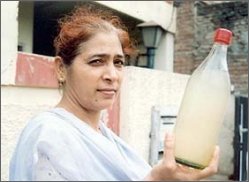
Contaminated water isn't always
this obvious.
|
Exactly how many people is debatable; estimates from the Environmental Protection Agency (EPA), the Centers for Disease Control and Prevention (CDC) and other investigations vary widely, from over 7 million to under 300,000 people each year. Of these, anywhere from 1,200 to 50 deaths may occur.
The exception is during times of tragic natural disasters, like Hurricane Katrina, when the number of people getting sick from waterborne illness can rise significantly in no time at all.
According to the U.S. Department of Labor, floodwaters like those affecting the Gulf Coast "can cause the disruption of water purification and sewage disposal systems, overflowing of toxic waste sites, and dislodgement of chemicals previously stored above ground."
These conditions can harbor intestinal diseases like diarrhea and dysentery and pose an increased risk of West Nile virus, experts say, which is risky for health not only now but also in the future.
"There are short-term, medium-term and long-term health consequences to consider," says microbiologist Iain Hay at the University at Buffalo, a member of the executive board of the North East Biodefense Center of the National Institutes of Health, about floodwaters from Hurricane Katrina.
|
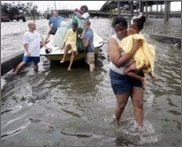
Ivor van Heerden, director of the Center for the Study of Public Health Impacts of Hurricanes in Baton Rouge, called the floodwaters in New Orleans a "toxic gumbo."
|
"The short-term problems are enteric (intestinal) diseases, such as diarrhea and dysentery, caused by bacteria, primarily E. coli, shigella and salmonella. The floodwater is contaminated by fecal matter. Being in it isn't a disease problem; you have to ingest the water. The fix is clean drinking water. In the mid-term, the water is going to be a great breeding ground for mosquitoes, and I think we will see outbreaks of West Nile virus ... In the longer-term, as the water subsides, there will probably be mold-associated problems."
Who's Affected by Bad Water?
Even if you're never affected by a natural disaster like major flooding, you could still come across bad water -- for instance if you travel to a foreign country, live in an area with a water main break, or swim in a contaminated pool or lake.
In fact, the number of people being affected by bad water has been on the rise, but because, in the United States at least, waterborne illness often mimics other gastrointestinal illness like the flu or food poisoning, it often goes unnoticed.
"Nobody really has any idea how many people are getting sick and dying," says Rebecca Calderon, a waterborne-disease expert at the EPA.
Fortunately for most, waterborne illness is not life threatening and typically causes nausea and diarrhea that runs its course, then subsides. But it can be serious, particularly in people with weak immune systems (chemotherapy patients, organ transplant recipients, people with AIDS), the elderly, pregnant women and infants.
If you come across bad water, or think you may have ingested some, here's what to do.
-
Take a high-quality probiotic like Absorbaid Probiotics benefit the intestines. By taking a probiotic (which means "good bacteria"), you are fortifying your intestinal tract with good bacteria that should overcome the bad.
Says Jonathan E. Teitelbaum, MD, Monmouth Medical Center, Long Branch NJ, and Drexel University School of Medicine, Philadelphia, PA, "Probiotics, an emerging alternative therapy popularized in 1908 by Metchnikoff as a link between fermented foods and longevity, are intestinal bacteria that promote health by stimulating optimal mucosal immune responses and by preventing gastrointestinal infections ... Some of the best evidence of probiotics efficacy has been in the treatment of diarrheal illnesses."
-
If you're sick with diarrhea, drink plenty of clean water (in small amounts) throughout the day to prevent dehydration.
-
If illness persists, seek appropriate medical advice
-
If floodwaters have touched your hands or body, wash thoroughly with soap and disinfected water.
-
If you're in a flooded area, assume that all water is unsafe unless health officials have told you otherwise. For all of your water needs (drinking, cooking, washing, brushing teeth, etc.) use only bottled water, water that has been boiled for at least 10 minutes or chemically disinfected water.
Recommended Reading
The 25 Most Polluted Regions in the United States
How Many Insect Parts and Rodent Hairs are Allowed in Your Food?
Sources
University at Buffalo News September 2, 2005
CNN: 'Pretty Devastating Out There' September 1, 2005
U.S. Department of Labor: Flood Cleanup
Probiotics and the Treatment of Infectious Diarrhea
USA Today: Drinking Water's Hidden Dangers
National Center for Infectious Diseases