|
|

|
Self-Assessment to Determine if You May Have Biological Pollutants in Your Home
by SixWise.com
| Americans spend up to 90 percent of their time indoors, and often at home, according to the U.S. Environmental Protection Agency (EPA). Imagine, then, the impact it could have on your health if the air inside your home is contaminated.
Did you know that common activities like cooking, cleaning, redecorating, heating and cooling can all release and spread indoor pollutants in your home? Considering this, it's no wonder that the EPA says studies have shown that the inside of our homes can be even more polluted than outside!
The primary category of pollutants inside our homes is known as biological pollutants. These include biological agents like:
- Bacteria
- Viruses
- Fungi
- Pollen
|
 |
- Dust
- Mites and other insects
- Animal dander
- Mold
|
The tricky thing about biological pollutants is that they are often invisible and travel through the air or via surfaces in your home. This is how they end up inside your body -- you inhale them, or touch surfaces containing them and then touch your face, and they enter in your body.
|
|
Ideally, biological pollutants need two things to grow and thrive: nutrients and moisture. As such, the American Lung Association says they are often found in:
- Air ducts
- Air conditioners
- Humidifiers
- Dehumidifiers
- Air-cleaning filters
- Carpets
- Improperly ventilated places where moisture is likely to collect (bathrooms, kitchens, laundry rooms and basements)
|
|
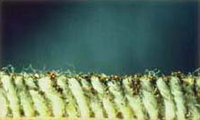
Dust mites can live in carpets,
bedding, sofas and stuffed chairs.
Using a vacuum with a high-
efficiency filter and washing linens
in hot water can help reduce
allergic symptoms.
|
Health Effects of Biological Pollutants
Though we are all exposed to biological pollutants, they affect people in very different ways. Some people may experience symptoms from dust or mold, while others may only be affected by viruses, for instance.
Certain people, including infants, young children, the elderly and people with chronic illnesses, may be at a greater risk of experiencing health problems from these pollutants, but generally speaking biological pollutants affect people in one or more of three ways:
- Allergic
- Infectious
- Toxic
|
|
|
Allergic Reactions: One of the most common reactions to indoor pollutants like dander, dust mites and pollen, allergic reactions can present mild, flu-like symptoms or be life threatening. Symptoms include:
Infectious Diseases: These are caused by bacteria and viruses and include the flu, measles, chicken pox and tuberculosis. Infectious diseases are spread from person to person and thrive in poorly ventilated areas and crowded conditions. Once they are brought into your home, some can even circulate through indoor ventilation systems.
Toxic Reactions: Fungi and mold, which are often signs of standing water problems indoors, can sometimes produce toxic substances as a byproduct of their metabolism. These byproducts can harm your health in a variety of ways including:
- Dermatitis
- Respiratory irritation
- Headaches and fatigue
|
|
- Cancer
- Damage to the central nervous system
- Suppression of the immune system
|
Are You, or Your Home, at Risk?
According to the EPA, 30 percent to 50 percent of all building structures (including homes!) have damp conditions that could encourage the growth and spread of biological pollutants. In warm, moist climates, this percentage is likely much higher.
To protect your health and the health of your home, SixWise.com has compiled the following self-assessment with information from the U.S. EPA to help you determine your level of risk.
|
|
SixWise.com's Biological Pollutant Self-Assessment
You can simply answer yes or no to each question or, if you prefer, print this assessment out and check off each box in Part I and Part II that applies below.
In Part I, even one checked box indicates that it may be wise to take the necessary steps described below to greatly reduce the potential of biological contaminants in your home.
The more yes answers (checked boxes) in Part I and/or Part II, the more urgent the need to take the recommended steps to dramatically reduce the potential pollutants in your home!
|
| |
Part I: Health Conditions |
 |
Do you have asthma? |
| |
Do you frequently experience allergy symptoms at home such as: |
|
Coughing? |
|
Sneezing? |
|
Watery eyes? |
|
Runny nose? |
|
Nasal congestion? |
|
Itching? |
|
Wheezing and difficulty breathing? |
|
Headaches? |
|
Fatigue? |
| |
Do you frequently experience other symptoms at home such as: |
|
Fevers? |
|
Dizziness? |
|
Dry throat? |
|
Dermatitis? |
|
Unexplained respiratory irritation? |
|
Do the symptoms of any of the above intensify when you spend longer periods of time indoors? |
|
Do the symptoms occur after home remodeling activities like installing insulation or storm windows or even home cleaning? |
|
Do the symptoms disappear when you go to school or the office or go away on a trip, and then return when you come back? |
| |
Part II: Home Assessment |
|
Do you have pets? |
|
Do your houseplants show signs of mold? |
|
Do you have air conditioners or humidifiers that have not been properly cleaned? |
|
Does your home have cockroaches or rodents? |
|
Does your home feel humid? |
|
Is their moisture on the windows, walls or ceilings? |
|
Has your basement recently flooded, or is it wet or damp? |
|
Does your home have a musty odor or obvious mold or mildew? |
|
Do wallboards or wood on your home appear damp? |
|
Is there damp firewood around? |
|
Do you use humidifiers, kerosene and gas heaters or gas stoves (these add moisture to the air)? |
|
|
How to Protect Your Health and Your Home From Biological Pollutants
It is next to impossible to prevent every biological pollutant from entering your home, but there are many ways to significantly reduce your exposure.
Control the moisture level in your home. This depends largely on air temperature: the lower the temperature, the less moisture the air will hold.
- Install exhaust fans (vented to the outdoors) in rooms exposed to lots of moisture (bathrooms, kitchens)
- Ventilate attic and crawl space areas
|
|
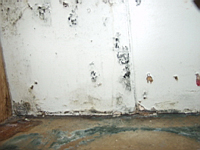
Too much moisture in your home can
lead to mold on walls, ceilings and
other surfaces. Reducing the
moisture level in the air is crucial
to controlling toxic mold and fungi.
|
- Clean evaporation trays in refrigerators, dehumidifiers and air conditioners daily
- Thoroughly clean, or remove altogether, water damaged carpets and building materials
- Use dehumidifiers (but be sure to keep them free of pollutants)
- Vent clothes dryers to the outdoors
- Fix any leaks or water seepage spots
Keep Your Home Clean.
Regular and thorough cleaning of all surfaces in your home can significantly reduce the growth and spread of biological pollutants. Toward this end, SixWise.com strongly recommends you consider the PerfectClean line of cleaning products.
PerfectClean ultramicrofiber cleaning products are the premier cleaning tools available in the world today, used by hospitals, top-rated hotels, and other organizations where cleaning to the microscopic level to avoid biological contaminants is critical, and PerfectClean is now available to the public for the first time.
|
|
The secret is in PerfectClean's revolutionary ultramicrofiber construction -- the crevasses in the fabric are smaller than most bacteria, so the towels, wipers, duster and mops pick up absolutely everything in their path including all forms of dirt, dust, hair, dander, and the biological contaminants too small to see with the naked eye.
The other benefit of PerfectClean products? Because of their ultramicrofiber construction, hospitals and other organizations use each towel, mop head, etc. A hundred or more times with simple washing before requiring replacement. That means you will actually spend less on PerfectClean than other cleaning tools that should not be used anywhere near that amount of time!
Plus, PerfectClean does not require the use of chemical cleaners, which reduces your exposure to more toxins making it the safest form of home cleaning, too! Why settle for anything less when it comes to your health?
Here are the keys to keeping your home clean and dramatically reducing exposure to biological contaminants:
- Use PerfectClean cloths, mops and towels to clean moldy surfaces like kitchen counters and showers. DO NOT use typical mops, sponges, and rags, as they are proven in studies to be harbingers of germs!
|
|
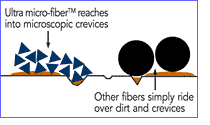
Effective home cleaning to
dramatically reduce biological
contaminants is essential to your
health. DO NOT rely on typical
sponges, mops and rags, which
have been proven to be some of
the top sources of germs in
homes! Choose PerfectClean
products instead: used by
hospitals and other organizations,
PerfectClean's secret is in their
ultramicrofiber construction, which
cleans down to the microscopic
level. Plus they can be used a
hundred times or more before
requiring replacement, making
them more economical than any
other cleaning system!
Read More Now
|
- Remove mold from walls and ceilings before painting or staining.
- Clean shower curtains well and replace them as needed
- Vacuum regularly using a vacuum with a high-efficiency filter like a HEPA filter (High Efficiency Particulate Air filter). Empty the dirt bag when it gets to be half full or less.
- Control dust by washing bedding often and in hot water to kill dust mites. Use the commercial-grade PerfectClean Flexible Duster that can be bent into a wide variety of shapes to clean all those areas that, up until now, were impossible for you (let alone any other duster) to reach, but are some of the most common locations of dirt, dust, pet hair, lint and potentially harmful microscopic contaminants!
In the event that you decide to move to a new home, be sure to inspect it thoroughly so you don't inherit a new set of pollutant problems when you move in.
Using common sense to keep your home free of excess moisture and keeping all surfaces clean will go a long way toward improving the indoor air quality of your home and reducing your exposure to harmful biological contaminants.
|
Sources
U.S. EPA: Biological Pollutants in Your Home
American Lung Association: Biological Pollutants
To get more information about this and other highly important topics, sign up for your free subscription to our weekly SixWise.com "Be Safe, Live Long & Prosper" e-newsletter.
With every issue of the free SixWise.com newsletter, you’ll get access to the insights, products, services, and more that can truly improve your well-being, peace of mind, and therefore your life!
|
|
|
|