27 Never Events: They're Not Supposed to Happen, but They Often Do
by www.SixWise.com
The old adage "never say never" takes on an eerie truthfulness when applied to the 27 "inexcusable hospital errors" that are never supposed to happen, but, in reality, often do.
These "never events," as such hospital errors are known, include gross errors such as surgery performed on the wrong patient, objects left inside patients after surgery and newborns discharged to the wrong person.
|
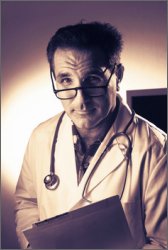
The IOM's report "To Err is Human" found that hospitals kill between 44,000 and 98,000 people each year, making medical errors the 8th leading cause of death in the U.S.
|
How often do these events happen? According to Philip Dunn, spokesperson for National Quality Forum, an organization devoted to improving quality measurement and reporting in health care that helped develop the never events list, "More often than we would like to think. You should worry about it when you go to the hospital."
The list of 27 never events was developed in 2002, at the request of the federal government, after an Institute of Medicine (IOM) report estimated that medical errors in hospitals cause 44,000 to 98,000 deaths in the United States each year.
Never Events Practically Never Reported
As it stands, most of these never events are not reported publicly, and we only hear about the occasional rare event through malpractice lawsuits. However, three states do have laws in place that require public reporting of never events.
"There will be a lot of angst over public reporting," said Dr. William Barron, vice president of quality and patient safety at Loyola University Health System. "But I have not heard anyone state they will not comply with the act for fear of being publicly humiliated."
The Illinois law will require that hospitals and surgery centers disclose all never events to the Illinois Department of Public Health. While the state will not take disciplinary action for the mistakes, the hospital must analyze the cause of each event and take measures to correct it. The information may also not be used for malpractice lawsuits.
"We believe the public should have the information," said Danny Chun, a spokesman with the Illinois Hospital Association. "This will improve patient safety and care and it helps advance a culture of safety."
|
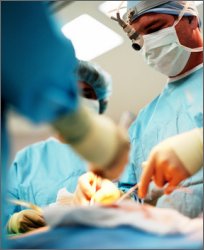
In Minnesota, objects left inside patients after surgery included surgical sponges, screws, needles -- even the tip of a marker.
|
In 2003, Minnesota became the first state to adopt a never events law. In the first 15 months after the law took effect, 99 never events at 30 hospitals were reported. They caused 20 deaths and four serious disabilities. Reports revealed:
-
The Mayo Clinic reported six events, including two fatal medication mistakes and one surgery on the wrong body part.
-
31 cases involved objects left in patients during surgery.
-
Objects left in patients included surgical sponges, broken screws, needles and the tip of a marker.
In Illinois, the Chicago Sun Times reported that, based on malpractice lawsuits, serious mistakes have also occurred in Chicago-area hospitals. These include:
-
A father of three who died at the University of Chicago after receiving repeated overdoses of chemotherapy.
-
A surgical sponge left in a man's abdomen after surgery at the Rush University Medical Center.
-
Two patients who allege brain surgeons operated on the wrong side of their heads (lawsuits pending against the Loyola medical center and University of Illinois at Chicago hospital).
The 27 "Never Events"
This is the list compiled by the National Quality Forum, describing 27 mistakes (Illinois' list includes 24) that are so serious they should never happen:
-
Surgery on the wrong body part
-
Surgery on the wrong patient
-
Wrong surgical procedure performed on a patient
-
Object left in patient after surgery
-
Death of a patient, who had been generally healthy, during or immediately after surgery for a localized problem
-
Patient death or serious disability associated with the use of contaminated drugs, devices, or biologics
-
Patient death or serious disability associated with the misuse or malfunction of a device
-
Patient death or serious disability associated with intravascular air embolism
-
Infant discharged to the wrong person
-
Patient death or serious disability associated with patient disappearing for more than four hours
-
Patient suicide or attempted suicide resulting in serious disability
-
Patient death or serious disability associated with a medication error
-
Patient death or serious disability associated with transfusion of blood or blood products of the wrong type
-
Maternal death or serious disability associated with labor or delivery in a low-risk pregnancy
-
Patient death or serious disability associated with the onset of hypoglycemia, a drop in blood sugar
-
Death or serious disability associated with failure to identify and treat hyperbilirubinemia, a blood abnormality, in newborns
-
Severe pressure ulcers acquired in the hospital
-
Patient death or serious disability due to spinal manipulative therapy
-
Patient death or serious disability associated with an electric shock
-
Any incident in which a line designated for oxygen or other gas to be delivered to a patient contains the wrong gas or is contaminated by toxic substances
-
Patient death or serious disability associated with a burn incurred in the hospital
-
Patient death associated with a fall suffered in the hospital
-
Patient death or serious disability associated with the use of restraints or bedrails
-
Any instance of care ordered by or provided by someone impersonating a physician, nurse, pharmacist, or other licensed healthcare provider
-
Abduction of a patient
-
Sexual assault on a patient
-
Death or significant injury of a patient or staff member resulting from a physical assault in the hospital
The public reporting of the events is meant not to be a punishment for the errors, but rather, officials hope, will create awareness and correction among health care outlets. "The sharing of this information will help the state see trends and patterns and look for solutions to problems," Chun said.
Indeed, "If you are not identifying adverse events, how are you going to correct them?" asked Eileen Barnes director of quality resources for Centegra Health System, which has also begun tracking never events.
Recommended Reading
Items Left Inside People After Surgery: Just How Common is This Terrifying Ordeal, and How Can You Avoid It?
How Drug Companies Brainwash Doctors so Doctors Brainwash You with Drugs
Sources
Northwest Herald November 29, 2005
Chicago Sun Times November 28, 2005
Minnesota Department of Health
Minnesota Medical Association: Minnesota Medicine