Soy Milk, Rice Milk or Almond Milk: Which is the Best Alternative Milk for You?
by www.SixWise.com
Whether you're allergic to milk, lactose intolerant or simply not crazy about the taste of cow's milk, one thing's for sure: there are now a lot of other options for you.
Dairy alternatives represent a growing market, as anyone who peruses the shelves of soy, rice and almond milks -- in vanilla, chocolate and plain, non-fat, powdered, liquid and more -- will tell you.
"The U.S. is the largest market for dairy alternatives. Growth in the dairy alternatives market is projected to be around 16 percent per annum over the next five years, with sales set to hit $3.7 billion," according to a report by the International Market for Dairy Alternatives.
Choosing the right variety for you, however, can be a challenge, particularly if you're new to the pseudo-milk market.
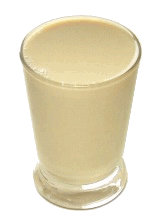 Soy Milk: Swimming in Controversy
If you want to know whether or not soy milk is good for you, it really depends on who you ask. The Food and Drug Administration has been touting the benefits of soy for a healthy heart. In 1999 they approved the health claim:
"Diets low in saturated fat and cholesterol that include 25 grams of soy protein a day may reduce the risk of heart disease."
The claim was approved after the FDA determined that "four daily soy servings can reduce levels of low-density lipoproteins (LDLs), the so-called "bad cholesterol" that builds up in blood vessels, by as much as 10 percent."
The American Heart Association agrees, and recommends that soy products (like soy milk) be used in a diet that includes fruits, vegetables, whole grains, low-fat dairy products, poultry, fish, and lean meats.
That said, Kaayla Daniel, PhD, author of "The Whole Soy Story: The Dark Side of America's Favorite Health Food," believes soy estrogens can wreak havoc on hormones and more. She had this to say to one person on her Web site who said they got a lift from soy milk:
"Check the ingredient list on your soy milk and you'll almost certainly find a lot of sugar. It might be named cane sugar, barley malt, rice sugar, fructose, corn syrup. Whatever, it's sugar. The most likely reason that you feel better after drinking your soy milk is that you are getting a sugar hit.
The second possibility is that the soy estrogens are stimulating your thyroid. For some people this results in a mildly hyperactive thyroid with short-term energy gain. The down side is that over the long run your thyroid may go down, sinking into hypothyroidism. That means loss of energy, cognitive decline, brain fog. In my opinion the long-term risks of soy do not justify any short-term benefit."
And then there's the taste.
Ben Wasserstein, an associate editor at New York magazine, conducted a taste test on milk alternatives. Of the three soy milks tested, the highest average score was 3.6 (on a scale of 1 to 10, with 10 being the best). Tasters compared the drinks to "chalk," "a root," and "vegetabley."
If you do opt for soy milk, most consumers recommend that you try a number of different brands before deciding on one you like (or dislike). Every brand tastes drastically different, as do flavors and varieties within brands.
 Almond Milk: A Healthy Choice?
Almonds are one of the healthiest nuts you can eat. They're rich in magnesium, potassium, manganese, copper, the antioxidants vitamin E and selenium, and calcium. Almond milk, then, may be one of the more nutritious milk alternatives on the market.
However, almonds are costly so the actual amount of almonds used in the almond milk is small; it may not be enough to give you lots of nutrition. You also need to watch out for additives and sweeteners in the milk.
A solution may be to try your own homemade variety:
-
Grind one-quarter cup of almonds in a coffee grinder.
-
Combine almonds with one cup of water and blend in a blender for two to three minutes.
-
Strain the liquid using a sieve, if you like.
But what about the taste?
Consumers generally find the taste of almond milk pleasing. It has a light, nutty flavor.
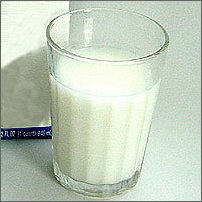 Rice Milk: Mostly Carbs
Rice milk is processed from brown rice and usually contains rice syrup, evaporated cane juice or some other natural sweetener. It is typically fortified with calcium or vitamin D.
Rice milk is largely a source of carbohydrates, so it's important not to look at it (or either of the other two milk substitutes) as a nutritional replacement for milk (cow's milk is a source of protein, fat and carbs). Rather, it should be looked at as a useful replacement for milk for taste and cooking purposes, but to get the nutrients of cow's milk be sure you're eating a wide variety of other foods.
And the taste? In Wasserstein's taste test, one variety of rice milk was tested. It received an average score of 4.0. Consumers said it tasted "oaty, but not" and "plasticky."
What's the Bottom Line?
The milk alternative you choose is up to you:
-
The health benefits of soy milk are highly debated. It may be good for you, or it may be harmful.
-
Almond milk may be healthful (but you're probably better off just eating the almonds).
-
Rice milk is largely a source of carbohydrates (but it can give you something to use with your meals and baking if you like the taste).
The final decision comes down to personal preference and taste. If you can't drink milk, but miss it in your diet, check out the different varieties out there--and be sure you're eating a wide variety of healthy foods to go along with it.
|
Milk Alternatives: How do They Compare?
|
Beverage
(per 1 cup / 8 fluid ounces) |
Calories
(kcal) |
Total
Fat (gm) |
Saturated
Fat (gm) |
Calcium
(mg) |
Vit. D
(IU) |
| Fat-free milk (Skim or nonfat milk) |
86 |
0 |
0 |
302 |
100 |
| 1% Lowfat milk (light milk) |
102 |
2.5 |
1.5 |
300 |
100 |
| 2% Reduced-fat milk |
121 |
5 |
3 |
297 |
100 |
| Whole milk (3.25% fat) |
150 |
8 |
5 |
291 |
100 |
| Soy "milk" (fat-free/plain/fortified) |
70 |
0 |
0 |
200 |
120 |
| Soy "milk" (regular/plain/fortified) |
110 |
2.5 |
0 |
300 |
120 |
| Soy "milk" (regular/plain) |
100 |
5 |
0 |
4 |
0 |
| Rice "milk" - fat-free (plain/fortified) |
80 |
0 |
0 |
150 |
120 |
| Rick "milk" - lowfat (plain/fortified) |
90 |
2 |
0 |
150 |
120 |
| Almond "milk" (regular/plain) |
70 |
2.5 |
0 |
2 |
0 |
|
*Nutritional information will vary due to brand, ingredient, and fortification variables.
|
Recommended Reading
Fiber: Everything You Need to Know, Including the Best Fiber Sources, to Fight Heart Disease, Obesity, Diabetes and More
Bottled Water: Which City's Tap Water System is Making a Flood of Cash off of You?
Sources
The International Market of Alternative Dairy
FDA Consumer
The Whole Soy Story
Got Lactaid? Taste-Testing Milk Alternatives
Discovery Health