The Amazing Benefits of Massage and Different Types of Massage Explained
by www.SixWise.com
More people than ever before are adding massage therapy as a routine part of their lifestyle, according to the American Massage Therapy Association (AMTA), and they're using it to help relieve stress and pain, lower blood pressure, increase circulation and flexibility and even boost the immune system.
Massage therapy has grown so much in recent years that it's now on par with other complementary services like chiropractic and physical therapy, says the Associated Bodywork & Massage Professionals (ABMP). According to a study they commissioned, two out of five adults have visited a massage therapist, and 12 percent of American adults had at least one massage.
"What is striking about the overall survey results is that there are very few detractors, few negative expressions about massage," says Bob Benson, president of ABMP.
Some 96 percent of those who had at least one massage said they had favorable feelings toward massage therapists. The medical establishment, too, is embracing massage as a legit and beneficial form of treatment. The AMTA reports that one national survey found over half (54 percent) of primary care physicians and family practitioners would encourage their patients to pursue massage therapy as a treatment. Further, people surveyed over the last three years said that when they discuss massage therapy with their physicians, more than 70 percent responded favorably.
|
Find a Massage Therapist Near You
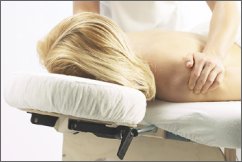
If you're interested in taking advantage of some of the benefits massage has to offer, but don't know where to find a massage therapist near you, the American Massage Therapy Association has a national locator service that includes all 50 states as well as Canada.
Find a Massage Therapist in the United States or Canada Now!
|
Even though massage is fast becoming the newest health "trend" in America, it is hardly a new phenomenon. Many ancient cultures embraced massage as a form of medical care. Egyptian tomb paintings show people being massaged, traditional Indian medicine, or Ayurveda, has long used massage with aromatic oils and spices, and massage has roots in Chinese, Greek and Roman cultures. It has even been said that Julius Caesar may have received one daily for neuralgia.
People use massage for many reasons. Here are just some of the health-enhancing benefits of massage, according to the AMTA:
Low Back Pain: A study by Beth Israel-Deaconess Center for Alternative Medicine Research and Education and the Center for Health Studies in Seattle found that massage provided long-term pain relief for those suffering from chronic low back pain.
Emotional and Physical Benefits for Cancer Patients: Women who have undergone a lumpectomy, mastectomy or breast reconstruction due to breast cancer have reported less pain and swelling after surgery by using massage. They also report that, emotionally, massage helps them to feel reconnected to their bodies.
Less Pain after Bypass Surgery: A study at Cedars-Sinai Medical Center in Los Angeles found that massage therapy reduces pain and muscle spasms in patients who have undergone heart bypass surgery. Sixty percent of those in the massage group said they'd continue to pay for massage therapy out-of-pocket.
Boost the Immune System: Research has shown that massage can increase the immune system's cytotoxic capacity, or the activity level of the body's natural "killer cells," while decreasing the number of T-cells. The result is an improvement in the body's immune system function.
Different Types of Massage
|
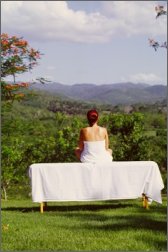
Which one of the over 200 types of massage is right for you?
|
There are over 200 massage techniques out there, and the type that's right for you depends on your unique purpose for obtaining one. Nationally, the median price for a one-hour massage is $60 (massages in spa settings may be more expensive). Following is a list of some popular types of massage (this is not an all-inclusive list) you may want to consider.
Swedish Massage: This is likely the most common type of massage, sometimes referred to as 'traditional massage.' It was developed by a Swedish doctor, Dr. Per Henrik Ling, in the 1820s, and is known as the first modern method of massage. Techniques include long gliding strokes, kneading, friction, tapping and shaking motions that affect the nerves, muscles and glands. It's ideal for relaxation, increasing circulation and energizing you.
Deep Tissue Massage: This is a deep massage meant to reach deep into your muscles and "unstick" the fibers they contain. This is done by deep muscle compression and putting friction along the grain of the muscle. It is especially good for muscle damage from an injury such as whiplash or back strain, and it helps release toxins and break patterns of tension.
Sports Massage: This massage is meant to help prevent athletic injury, relieve swelling, fatigue and muscle tension, increase flexibility and help enhance athletic performance. It can be used before, during and after an athletic event. The techniques used depend on the athlete and the specific outcomes desired.
Chair Massage: This is a great way to relax in 10 or 20 minutes. The massage is for your upper body, and it's done while you're fully clothed and seated in a special portable chair. Because the chair is portable, you may see this type of massage being performed at health clubs, health food stores, airports or private events and parties.
Reiki: This is a Japanese technique that literally means "universal life energy." It came to the United States in the 1930s after being developed in the 19th century by a Christian Japanese monk, Dr. Mikao Usua, who discovered the technique in ancient manuscripts. In it, hands are placed on specific positions on or above the body in order to transmit the healing "life energy." It's used to relieve pain, heal illness and help with spiritual growth.
Shiatsu: This massage is a form of acupressure (shiatsu means "finger pressure") that's been used for over 1,000 years in Japan. The technique includes pressure applied to specific points along the body's meridians to stimulate the flow of energy. Fingers, hands, elbows, knees or feet may be used to apply the pressure. It's used for pain relief, relaxation and to heal illness.
Thai Massage: The best way to describe this interactive massage is it's a cross between shiatsu, acupressure and yoga. Pressure is applied to your body's energy meridians to help stimulate energy movement in the body while you stretch in yoga-like poses to relieve muscle and joint tension. This massage is used for both relaxation and stimulation, and helps to stimulate internal organs, reduce tension and balance the body's energy system.
Hot Stone Therapy: Typically used in health spas, this massage uses heated stones that are positioned on the body and moved around with light pressure.
Reflexology: This is an acupressure-like technique that's based on the ancient Oriental belief that meridian lines carry energy throughout your body. Each zone has a corresponding reflex point on the feet that can stimulate a certain organ. It became popular in the 1930s. When a certain reflex point is stimulated, congestion of the related organ is said to be cleared out. It's used to help restore health.
Rolfing (aka Structural Integration): American biochemist Dr. Ida Rolf developed rolfing in the 1930s. Dr. Rolf believed that gravity and simply living would push your body out of alignment and weaken your entire system. The massage typically consists of 10 sessions focused on the myofascial tissue that is meant to rebalance and realign your body.
Infant Massage: This technique includes a mix of touch, massage and reflexology that is typically taught to new mothers as a way to bond with their infants and encourage their health. A University of Miami study found that infants who received 15 minutes of massage a day gained weight 47 percent faster than those who did not, along with demonstrated other physical and neurological benefits.
Lymph System Massage: Massaging the lymph system, which helps remove toxins from the body, is meant to help detoxify the system and improve health. A Danish doctor, Hans Vodder, first noticed the connection between swollen and blocked lymph glands and an increase in infections and other conditions in the 1930s. He and his wife developed the technique, which is supposed to improve the flow of the lymph system. The technique involves light, rhythmic strokes of the muscle fiber.
Recommended Reading
Do You Really Need a Multivitamin Supplement?
How to Relax (and Lower Your Cortisol Levels): A Golden Key to Your Health
Sources
American Massage Therapy Association
Associated Bodywork & Massage Professionals
AboutMassage.com