Falling Down: Secrets to Prevent a Top Cause of Death in the Home
by SixWise.com
More people rush to U.S. emergency rooms for injuries related to falling than from any other cause. And, according to the American Academy of Family Physicians, they're the primary cause of accidental death in people over the age of 65.
Not surprisingly, as we age the injuries we sustain from falls become more severe, which is why falls are the cause of 70 percent of accidental deaths in people aged 75 years and older.
|
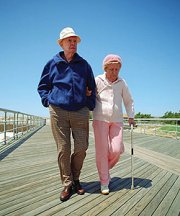
Falls among the elderly can decrease independence and increase the risk of early death. Did you know falls are a leading cause of injury for kids and adults, too?
|
Here are some other startling facts about falling from the Centers for Disease Control and Prevention:
-
In 2001, more than 1.6 million seniors were treated in emergency departments for fall-related injuries and nearly 388,000 were hospitalized.
-
One out of every three adults aged 65 years and older fall each year.
-
In 2001, more than 11,600 people aged 65 and older died from fall-related injuries.
-
Falls are a leading cause of traumatic brain injuries.
-
20 percent to 30 percent of people who fall suffer from injuries like hip fractures or head traumas that reduce mobility and dependence and increase the risk of premature death.
But the elderly are not the only ones at risk. Children aged 14 and younger make up one-third of emergency room visits for falls. And, according to the National Safe Kids Campaign (NSKC),
-
In 2001, 121 children aged 14 and under died from unintentional falls.
-
In 2002, more than 2.3 million children aged 14 and under were treated in hospital emergency rooms for fall-related injuries.
What's Causing All of These Falls?
|
In a hurry? Tired? Upset? All of these everyday feelings can increase your risk of a fall-related injury.
|
So what is responsible for all of these fall-related injuries in America? A lot of times, we are. We leave things out where they shouldn't be, we rush up or down the stairs, we swat at a bee while climbing a ladder (in that case, we blame the bee), and on and on. Even in the best of circumstances, simple clumsiness can lead to a fall in an otherwise healthy adult. We're also more likely to fall when we're:
In the case of kids falling, however, it's often up to the parent to keep a dutiful eye on their youngster. Says the NSKC, more than 80 percent of fall-related injuries among children ages 4 and under occur in the home. Furniture, stairs, windows, playgrounds-even baby walkers-pose a fall risk to small children.
|
The Gateway® To Go Keeps Your Loved Ones Safe
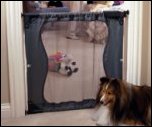 Open stairways are risky for kids and the elderly, even pets, but this innovative pressure-mounted Gateway eliminates the risk, and keeps your loved ones away from dangerous areas. Open stairways are risky for kids and the elderly, even pets, but this innovative pressure-mounted Gateway eliminates the risk, and keeps your loved ones away from dangerous areas.
Celebrated winner of an iParenting Media Award!
A Parenting Magazine Mom-Tested Featured Product.
- No tool installation; uses four non-skid, non-marking pressure mounting pads
- Includes a pressure gauge to indicate proper locking tension
- Easy adult one-hand release
- Comes with a convenient carrying case-great for traveling!
Find out more about The Gateway® To Go now!
|
For the elderly, there are several factors that may increase their risk of falling. These include:
How to Minimize Your Risk of Falling
Sometimes, falls just happen (like when you somehow trip over your own feet). Other times, and these are by far the majority, falls could have been prevented. Here are some tips to prevent falls in your home:
-
Pick up clutter from walkways.
-
Remove tripping hazards like throw rugs and extension cords.
-
Block off stairways, windows or other dangerous areas using The Gateway® To Go. This is no ordinary gate: It uses a patented, pressure mount system rated #1 by a leading consumer reporting organization to keep infants, the elderly or pets safely away from accident-prone areas.
-
Put non-slip mats in your bathtub and on shower floors.
-
Tack carpet corners and edges securely to the floor.
-
Wipe up any spills immediately (wet surfaces are slippery!)
-
Install handrails on both sides of your stairways, and grab bars next to your toilet and in your bathtub/shower.
-
Use corner guards to prevent serious head traumas that can occur from falling against sharp corners of furniture. You can get a 4-pack of Super Soft Gel Corner Protectors for just $2.99, and they're simple to install.
-
Make sure you have adequate lighting throughout your home, especially at night.
-
Use a cane or walker if you have trouble walking or balancing.
Recommended Reading
The 6 Most Dangerous Appliances in Your House
How to Stop Telemarketing Calls for Good
The Top Household Dangers to Your Dogs and Cats
Sources
American Academy of Family Physicians
National Center for Injury Prevention and Control
Ohio State University
National Safe Kids Campaign
National Institute on Aging